
Blog
What Is a Medical Alert System? A Plain-English Guide for Families

Preview only — the title above goes in the WordPress title field; the article body begins below.
If you have a parent who lives alone, you probably know the small worry that sits in the back of your mind. What if they fall and can’t reach the phone? What if something happens in the middle of the night?
A medical alert system is built for exactly that moment. This guide explains what these devices are, how they work, and what really happens when help is called — all in plain language, with no confusing tech talk.
The simple version
A medical alert system is a small device your loved one wears — usually a button on a necklace, a wristband, or a small unit kept at home. If they need help, they press the button. That single press connects them to a real person who can talk to them, figure out what’s wrong, and send the right help. Some devices can even call for help on their own if they sense a fall.
That’s really the whole idea: one button, and someone is there.
You might hear it called a “PERS” — don’t worry about that
When you start shopping, you’ll come across the term PERS. It stands for Personal Emergency Response System. It’s just the industry’s name for a medical alert device and the support team behind it. You don’t need to remember the term. If a company says “PERS,” they mean the same thing this guide is describing.
How it works, step by step
Here’s what happens from the moment your loved one needs help:
- They press the button (or the device detects a fall). Help is requested right away — no dialing, no app, no fumbling for a phone.
- The device connects to a monitoring center. This is a team of trained specialists, available around the clock, every day of the year.
- A specialist speaks with your loved one. Many devices have a built-in speaker and microphone, so your parent can talk hands-free — even if they’re on the floor and can’t reach a phone.
- The specialist sends the right help. If it’s a true emergency, they can send paramedics. If it’s something smaller, they can call a neighbor or family member instead.
- The family is notified. The people you choose get a call or a text, so you’re never left wondering whether everything is okay.
The goal is simple: get the right help quickly, and keep the family in the loop. You can see this kind of flow laid out on the How It Works page.
What happens when the button is pressed?
This is the part families most want to understand, so let’s slow down here.
When the button is pressed, your loved one isn’t sent to a recording or a long phone menu. A trained person answers and speaks with them directly. That person’s job is to stay calm, ask a few quick questions, and decide what’s needed.
Sometimes that means calling 911 and staying on the line until paramedics arrive. Sometimes it means reassuring your mom that she’s fine and calling you to come help her up. Either way, someone is handling it — and someone is letting the family know.
What if they fall and can’t press the button?
A fall can leave a person stunned, confused, or unable to reach the button — and that’s one of the biggest fears families have. This is where automatic fall detection comes in.
Devices with fall detection use built-in sensors to recognize the sudden movement of a hard fall. If they sense one, they start the call for help on their own, without anyone pressing anything. There’s usually a few seconds to cancel it if it was a false alarm, like setting the device down too quickly. It’s a quiet safety net for the moments when your loved one can’t speak up for themselves.
Does it work away from home?
It depends on the device. Some are designed mainly for use around the house. Others include GPS location, which means they work when your loved one is out for a walk, running errands, or visiting friends. If there’s an emergency, the device can share their location so help can find them, wherever they are.
If your parent is active and often out and about, look for a device with GPS and on-the-go coverage.
Who is a medical alert system really for?
These devices are a good fit for a lot of situations, including someone who:
- Lives alone, or spends long stretches of the day by themselves
- Has had a fall, or has felt unsteady lately
- Is recovering from surgery or a hospital stay
- Has a health condition that can flare up suddenly
- Wants to keep living independently — and whose family wants a little more peace of mind
If any of that sounds familiar, it may be worth a closer look.
Choosing the right device
Most companies offer a few styles so you can match the device to your loved one’s daily life. At AevaAlert, for example, there are three:
- Aeva Pro — the most complete option, with a home base and full protection, including fall detection, GPS, and family alerts.
- Aeva Lite — a light, comfortable button worn around the neck for simple, everyday peace of mind.
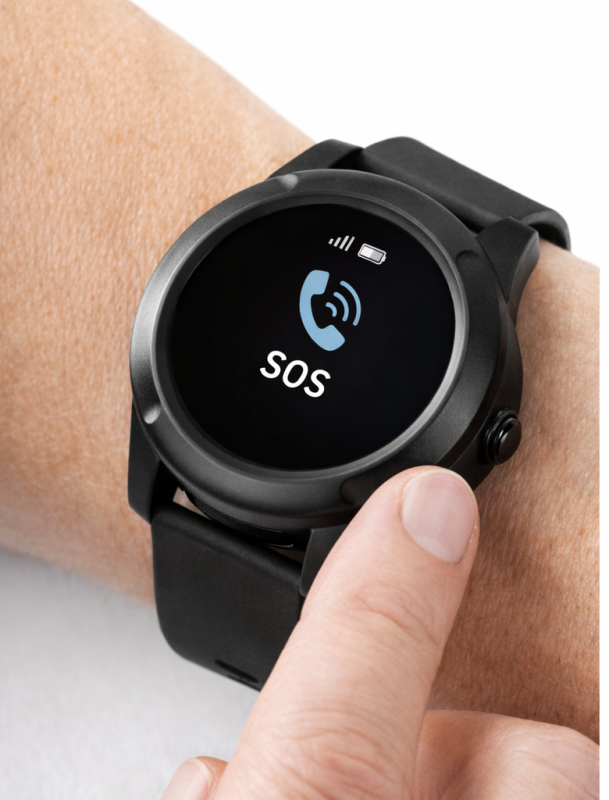
- Aeva Flex — a watch-style band on the wrist, for people who’d rather wear something that feels familiar.
All three include 24/7 emergency support, so the main choice comes down to comfort and style. If you’d like to see them side by side, you can compare the devices here.
The real benefit: independence with a safety net
A medical alert system isn’t about giving up freedom. It’s the opposite. It lets your loved one keep living in their own home, on their own terms, while making sure that help — and family — is only ever one button away.
That’s a fair trade for a little extra peace of mind on both sides.