
Blog
7 Signs It’s Time to Consider a Medical Alert Device for an Aging Parent

7 Signs It’s Time to Consider a Medical Alert Device for an Aging Parent
There’s rarely a single moment that tells you your parent could use a little more support at home. It tends to creep up slowly — a stumble here, a missed call there — until one day you realize you’ve started worrying more than you used to.
If you’ve been wondering whether it’s time to look into a medical alert device, here are seven honest signs worth paying attention to. You don’t need all seven. Even one or two can be enough to start the conversation.
1. They’ve had a fall — or a few close calls
A fall is the clearest sign of all. But you don’t have to wait for a serious one. “Near misses” count too: grabbing the counter to steady themselves, tripping on a rug, or a slip in the shower that ended okay this time. Falls tend to repeat, and the next one may not be so gentle. A device with fall detection means help can come quickly even if they can’t reach a phone.
2. They live alone, or are alone for long stretches
Plenty goes fine when someone’s around. The risk is the hours in between — the afternoons, the early mornings, the nights. If your parent lives by themselves, or is on their own for big parts of the day while family works, a medical alert device fills that gap. It means they’re never truly alone, even when no one’s in the house.
3. Getting around has gotten harder
Maybe they hold the wall on the way to the bathroom. Maybe standing up takes a moment and a wobble. Maybe they’ve started moving more slowly or carefully than they used to. Unsteadiness is one of the most common reasons people fall, and it often shows up gradually. If you’ve noticed changes in how your parent moves, it’s worth taking seriously.
4. They have a health condition that can change quickly
Some conditions can turn a normal day into an emergency with little warning — heart trouble, dizzy spells, blood sugar swings, seizures, or breathing problems, to name a few. In those moments, every minute matters. Being able to press one button and reach help right away can make a real difference.
5. They’re recovering from surgery or a hospital stay
The weeks after a hospital stay are a vulnerable time. Your parent may be weaker than usual, on new medication, or moving in ways their body isn’t used to yet. Recovery is exactly when an extra layer of support helps most — and it’s something you can put in place before they come home, so the first day back is a little less nerve-wracking for everyone.
6. Their memory isn’t quite what it was
Forgetting where the keys are is one thing. But if you’re noticing more frequent slips — missed appointments, repeated questions, confusion about the time of day — it may be a sign to plan ahead. Memory changes can also raise the risk of wandering or getting disoriented away from home. A device with GPS location can help family find them quickly if they ever get lost.
7. You’re the one who’s worried
This one is easy to overlook, but it matters. If you’ve started calling more often “just to check,” lying awake wondering if they’re okay, or feeling that knot in your stomach whenever the phone rings at an odd hour — that’s a sign too. A medical alert device isn’t only for your parent. It’s for you, so you can breathe a little easier knowing help is in place.
A quiet eighth sign: they want to stay home
Most older adults want the same thing — to keep living in their own home, surrounded by their own things, on their own terms. If that’s your parent, a medical alert device is one of the simplest ways to make staying home safer. It supports the independence they care about instead of taking it away.
How to bring it up (without a fight)
A lot of parents resist this idea at first. They may hear “you think I can’t take care of myself.” It usually lands better if you frame it around peace of mind for you, not limits for them: “It would help me worry less,” or “It’s just there for the what-ifs.” Let them help choose the device, too. People are far more likely to wear something they picked out themselves.
What to look for in a device
If the signs are adding up, here’s what tends to matter most when choosing one:
- One simple button — nothing complicated to learn
- Automatic fall detection for the moments they can’t press it
- Two-way voice so they can talk to a real person hands-free
- Family alerts so you’re notified right away
- A comfortable style they’ll actually wear every day
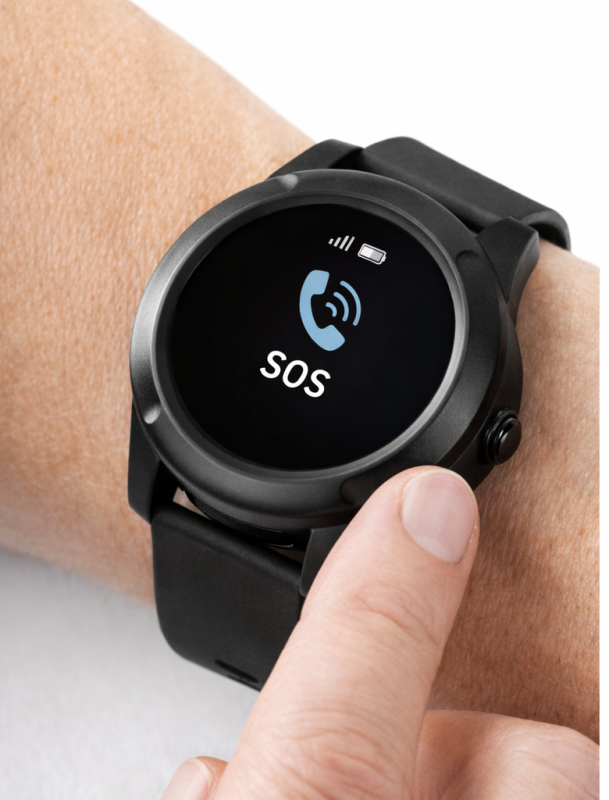
AevaAlert offers a few options built around exactly that — a full-feature home device (Aeva Pro), a light neck pendant (Aeva Lite), and a watch-style band (Aeva Flex) — all with 24/7 support. If you’re not sure which fits your parent’s daily life, you can compare them side by side or see how the help arrives before you decide.